Avoid common rubbish removal mistakes in Canary Wharf flats
Posted on 10/10/2026
If you live in a Canary Wharf flat, rubbish removal can feel deceptively simple right up until the hallway is full, the lift is booked, and you realise the bulky sofa will not squeeze through the stairwell. That is usually when the mistakes start piling up too. This guide on how to avoid common rubbish removal mistakes in Canary Wharf flats will help you plan properly, protect your building rules, and save yourself a lot of awkward back-and-forth on the day.
Let's face it: apartment living changes everything. Access is tighter, neighbours are closer, estate rules can be stricter, and timing matters more than most people expect. Whether you are clearing old furniture, managing a post-move clean-out, or just trying to get rid of accumulated junk without upsetting the concierge, the right approach makes a real difference. You will find practical steps here, plus the common traps people fall into and how to sidestep them without fuss.

Why Avoid common rubbish removal mistakes in Canary Wharf flats Matters
In a flat, rubbish removal is not just about getting things out the door. It affects building access, lift availability, fire safety routes, neighbour relationships, and how smoothly everything goes from start to finish. One badly planned collection can turn a tidy clear-out into a frustrating mess of bags in the corridor and a concierge who has had enough for the day. Not ideal.
Canary Wharf has its own rhythm. Many buildings have managed entrances, time windows for deliveries and collections, and shared areas that need to stay clear. That means the usual "just put it out front" approach often does not work. If you ignore the building's rules or underestimate the size of the job, you can end up with delays, extra charges, or waste that simply cannot be collected as planned.
There is also a practical angle. Correctly sorting what can go, what should be recycled, and what needs specialist handling can reduce waste, avoid unnecessary trips, and make the job cleaner overall. A bit of planning up front saves a lot of time later. Truth be told, that is usually where the difference lies.
Expert summary: The biggest rubbish removal mistakes in Canary Wharf flats usually come down to access, timing, sorting, and building rules. Get those four things right and the rest becomes much easier.
How Avoid common rubbish removal mistakes in Canary Wharf flats Works
Think of rubbish removal in a flat as a small logistics exercise. First, you identify what needs to leave. Then you work out how it will move through the building, where it can be staged safely, and whether the items need special care. Finally, you decide whether you are using your own vehicle, building facilities, a skip, or a professional collection service.
For many residents, the process starts with a simple room-by-room sort. That is not glamorous, I know, but it works. You separate general waste, recycling, bulky furniture, electrical items, and anything that might be restricted, such as paint, chemicals, batteries, or sharp materials. If you are dealing with bigger clearances, it is often easier to create piles by category before anything is carried downstairs.
In Canary Wharf flats, the next step is usually checking access. That may mean confirming lift size, booking service lifts, speaking to building management, and deciding whether the job should be done at a quiet time. A lot of mistakes happen here because people assume the building will "just allow it". Sometimes it does. Sometimes it very much does not.
Professional services often work from photos, item lists, or a walkthrough estimate. That helps them decide on crew size, vehicle needs, and loading time. If the information is incomplete, the quote may be off, the collection may take longer, or the team may arrive with the wrong setup. Small detail, big difference.
If you want a broader look at the range of collection and clearance options available locally, the services overview is a sensible starting point. And if your job includes mixed waste types, the rubbish clearance in Canary Wharf page gives a clearer sense of how a typical clearance is handled.
Key Benefits and Practical Advantages
When rubbish removal is handled properly in a Canary Wharf flat, the benefits are immediate. You save time, avoid building issues, reduce stress, and keep the process far cleaner than trying to improvise on the day. That may sound obvious, but the value is in the details.
- Less disruption: A clear plan avoids blocking hallways, lifts, or communal spaces.
- Fewer delays: When access and timing are arranged properly, collections tend to run smoothly.
- Better sorting: Separating reusable, recyclable, and disposable items helps you avoid waste and confusion.
- Lower risk of damage: Careful removal reduces scuffs, broken tiles, dented doors, and those annoying little knock marks on walls.
- More predictable costs: Accurate planning makes pricing easier to understand and compare.
- Better compliance: You are less likely to run into problems with estate rules or waste handling expectations.
There is another benefit people sometimes miss: peace of mind. Flat clear-outs can feel oddly consuming, especially if you are moving, downsizing, or dealing with a family property. Having a simple method helps you keep your head clear. And yes, that matters more than people admit.
If part of your clear-out involves old furniture, a dedicated service can be useful. You can see how that fits into a larger clearance plan via the furniture disposal in Canary Wharf page. For larger, mixed, or time-sensitive jobs, some residents also look at junk removal in Canary Wharf as a quicker option.
Who This Is For and When It Makes Sense
This guide is for anyone handling rubbish removal in a flat, apartment, or managed block in Canary Wharf. That includes tenants, leaseholders, landlords, property managers, and people clearing a flat after a move or refurbishment. It is also useful if you are simply trying to remove one awkward item without making a production of it.
You will especially benefit from this if:
- your building has strict access or collection windows
- you need to dispose of bulky furniture or mixed household waste
- you are trying to avoid corridor clutter and neighbour complaints
- you are comparing self-managed disposal with a professional collection
- you want to keep costs sensible without cutting corners
It also makes sense if your waste has to be handled carefully because of size, weight, or type. A flat packed with old wardrobes, broken chairs, boxes from a move, and a bit of builder's rubble is not something you want to tackle without a plan. To be fair, very few people enjoy wrestling a mattress through a narrow landing at 7am.
For residents in the wider area, the local context matters too. Canary Wharf is busy, dense, and highly managed in parts, which means rubbish removal tends to work best when it is coordinated rather than improvised. If you are new to the neighbourhood, the local guide on whether Canary Wharf is suitable for residents offers a useful sense of day-to-day living conditions.
Step-by-Step Guidance
1. Walk through the flat and identify everything that has to go
Start with a room-by-room sweep. Use a notepad or phone list and separate items by type: general rubbish, recycling, furniture, electricals, and anything potentially hazardous. This makes it much easier to estimate space and effort. It also stops the classic problem of finding a half-forgotten cupboard full of odd bits after the rest is already arranged.
2. Check the building rules before you move a single bag
Ask the concierge, building manager, or freeholder's representative what is allowed. Some buildings require lift bookings, some have restricted hours, and some insist on protecting floors or using a service entrance. If you skip this step, you may end up with rubbish staged in the wrong place or a collection that cannot happen as planned.
3. Decide what can be recycled, reused, or disposed of separately
Sorting waste properly is not only tidier, it often makes the job quicker. Cardboard, metal, wood, textiles, and certain electrical items may be handled differently from mixed household rubbish. If you can reduce the amount of mixed waste, the whole operation becomes simpler.
4. Measure bulky items and check access
One sofa. One staircase. One very awkward angle. It happens all the time. Measure the largest items and compare them with lift dimensions, corridor width, and doorway clearance. This is particularly useful in older or unusually shaped flats where space is tighter than it looks.
5. Choose the right removal method
For a small amount of rubbish, you may only need a bagged collection. For furniture or mixed bulk waste, a larger clearance service may be better. If the job is substantial and you have access to a suitable space, skip hire can work, though many flats in Canary Wharf do not find skips as convenient as they expect. More on that in the comparison section.
6. Book the collection with accurate details
Give a realistic item list, mention access restrictions, and be honest about volume. If the collection needs to happen at a particular time, say so early. A good service can only plan properly if the information is clear. Vague instructions usually create vague outcomes.
7. Prepare the flat and communal areas
Move items into one safe staging area if possible, and keep walkways clear. Cover floors where needed. If there is a lift booking, stick to the agreed time. A little prep here goes a long way, and honestly, it keeps everyone happier.
8. Do a final check before the team leaves
Look in cupboards, balconies, utility spaces, and behind doors. Those are the places small items love to hide. Make sure nothing remains that should have gone, and check communal areas for accidental mess. Then take a breath. Done properly, it should feel calm, not chaotic.
Expert Tips for Better Results
In our experience, the best rubbish removal jobs in flats are usually the ones that look slightly boring from the outside. No drama. No last-minute panic. No guessing. Just a clear plan and a few sensible habits.
Tip 1: Photograph the items before collection. This helps with quoting and reduces confusion about item size or condition. It is especially useful for bulky furniture, office items, or mixed loads.
Tip 2: Keep a small buffer for forgotten clutter. A hall cupboard, balcony box, or under-bed storage area often adds more than expected. Plan for it, even if the flat looks tidy at first glance.
Tip 3: Protect the route out. Blankets, cardboard, or corner guards can help avoid scuffs. You do not need a full construction setup; just a bit of common sense and a steady hand.
Tip 4: Separate anything sharp or fragile. Broken glass, mirrors, and splintered wood can turn an easy collection into a hazard. Bag or wrap them properly.
Tip 5: Think about what not to rush. If you are clearing a deceased relative's flat or a place with sentimental items, take time to identify documents or keepsakes first. A rubbish bag is a terrible place for a passport, honestly.
Tip 6: Ask about sustainability. Some items can be reused or recycled rather than simply tipped as mixed waste. If sustainability matters to you, it is worth asking how the load is processed. The recycling and sustainability page covers that angle in more detail.
Tip 7: Compare like with like. A cheap price is not always better if the quote leaves out access issues, loading time, or disposal costs. A transparent estimate is far more useful than a bargain that grows teeth later.

Common Mistakes to Avoid
This is the section that saves people money and embarrassment. Most flat clearance problems are predictable, which means they are also avoidable. Good news, really.
1. Not checking building rules first
This is the big one. Many residents assume rubbish can be moved freely at any time. In managed blocks, that often is not true. Lift bookings, service entrances, parking, and collection windows can all affect the job.
2. Underestimating how much waste there is
What looks like "a few bags and a chair" often turns into two cupboards, a broken bed frame, and a pile of packaging. Always allow a bit more room than you think you need.
3. Mixing everything together
Mixed waste can be more awkward to handle and may slow down the collection. It also makes recycling harder. Separate what you can before collection day.
4. Forgetting about bulky access problems
Stairs, narrow hallways, small lifts, and tight bends are where many plans fail. Measure first. Guessing is risky and, frankly, a bit optimistic.
5. Leaving hazardous items in with general rubbish
Batteries, chemicals, gas canisters, wet paint, and certain electricals may need special handling. Never assume they can go in the same pile as household waste.
6. Booking too late
If you are moving out or working to a deadline, leaving the clearance to the last minute creates unnecessary stress. A rushed booking usually means fewer options and more pressure.
7. Ignoring neighbouring residents
Noise, corridor blockages, and lift delays affect other people. A considerate plan keeps things smoother and helps you avoid complaints. The building might be full of strangers, but it still runs on a kind of unspoken neighbourly contract.
8. Choosing the wrong method for the job
A small bagged collection is not the same as a full flat clearance. Nor is skip hire always the easiest option in a high-rise setting. Matching the method to the job is what keeps the process efficient.
Tools, Resources and Recommendations
You do not need a warehouse full of equipment to manage rubbish removal well. A few simple tools and sensible resources are usually enough.
- Measuring tape: Essential for checking furniture dimensions and access routes.
- Heavy-duty bags or sacks: Useful for smaller rubbish and loose items, provided you do not overload them.
- Labels or sticky notes: Handy for marking keep, donate, recycle, and dispose piles.
- Protective gloves: Useful for broken items, rough surfaces, and dusty storage spaces.
- Phone camera: Good for taking item photos and recording what is being removed.
- Basic cleaning supplies: A broom, cloth, and bag for final touch-ups go a long way.
For residents comparing services, the pricing and quotes page can help you think about how estimates are usually structured. If your clearance also involves office items or a business move, you may find the office clearance in Canary Wharf page useful for understanding larger or more organised clear-outs.
If you are dealing with a flat that has storage-heavy rooms, it may also be worth looking at related clearance types such as loft clearance in Canary Wharf or garage clearance in Canary Wharf. The job may be different in detail, but the planning mindset is the same.
Law, Compliance, Standards, and Best Practice
When rubbish is removed from a flat, the exact rules can depend on the type of waste, the building, and the service you use. Rather than trying to guess, it is better to follow recognised UK waste-handling norms and building procedures. That means keeping waste secure, sorting restricted items separately, and not leaving materials in communal areas where they could block access or create hazards.
In practice, the safest approach is to work with a provider that knows how to handle waste responsibly and can explain what happens to different item types. If you are disposing of electricals, sharp materials, or anything potentially hazardous, ask how those items are separated. If you are unsure whether something can be collected, say so early. That small question can prevent a bigger problem later.
Managed buildings in Canary Wharf often have their own rules around service access, lift use, and loading areas. These are not optional extras. They are part of how the building stays orderly and safe. Best practice is simple: check first, plan second, move third.
For readers who want a broader sense of company standards, the insurance and safety page is worth a look, especially if your clearance involves heavy items or awkward access. You may also want to review the terms and conditions and payment and security information before booking, simply because clear expectations help everyone.
Options, Methods, and Comparison Table
Choosing the right rubbish removal method in a Canary Wharf flat depends on access, volume, time, and the type of waste. There is no single answer that fits every flat. Here is a straightforward comparison.
| Method | Best for | Advantages | Potential drawbacks |
|---|---|---|---|
| Bagged collection | Small amounts of household rubbish | Quick, simple, minimal disruption | Not suitable for bulky or heavy items |
| Full clearance service | Flat clear-outs, mixed items, furniture | Efficient, practical, suited to busy buildings | May need more planning and accurate details |
| Skip hire | Large volumes where access allows | Useful for bigger jobs and staged loading | Can be awkward in managed apartment settings |
| Self-removal | Very small loads and flexible schedules | Potentially low cost if you already have transport | Time-consuming, physically demanding, easy to get wrong |
For many flats in Canary Wharf, a clearance service is the least disruptive option because it handles lifting, loading, and transport in one go. Skip hire can still make sense in certain cases, but only when access and permissions line up. If you are unsure, compare the route your building allows with the amount of waste you actually have. That is usually the deciding factor.
Case Study or Real-World Example
Here is a very typical scenario. A resident in a Canary Wharf flat is moving out at the end of the month. The flat has a bed frame, a two-seat sofa, three bags of mixed rubbish, packaging from new furniture, and a few old small appliances. On paper, it sounds manageable. In the real world, the lift is small, the building has a service window, and the hallway is narrow.
The first attempt is usually the messy one: a few items are pulled into the corridor, then someone realises the sofa will not turn the corner, and the whole thing starts to stall. The better approach is more boring, but it works. Measure the sofa, confirm lift access, separate the smaller rubbish, and arrange a collection with enough detail for the crew to bring the right equipment. The result is cleaner, faster, and far less stressful.
What changed? Not the amount of waste. The planning. That is really the point of avoiding rubbish removal mistakes in Canary Wharf flats. The physical job might be the same, but the experience can be completely different depending on how well you prepare.
Practical Checklist
Use this quick checklist before collection day. It keeps the whole process grounded.
- Confirm what needs to be removed, room by room
- Check building rules, access hours, and lift bookings
- Measure bulky items and key access points
- Separate recycling, general waste, furniture, and special items
- Keep hazardous materials apart
- Choose the right removal method for the load
- Take photos if you want a more accurate estimate
- Protect floors, walls, and corners if needed
- Make sure communal routes stay clear
- Do a final sweep of cupboards, balconies, and storage spaces
- Ask how the waste will be handled if sustainability matters to you
If you can tick off most of those points, you are already ahead of the usual last-minute scramble. And yes, that calm feeling on collection day is worth it.
Conclusion
Avoiding common rubbish removal mistakes in Canary Wharf flats comes down to three things: planning, access, and respect for the building environment. When those are handled well, everything feels simpler. You move faster, disturb fewer people, and avoid the annoying surprises that can turn a routine clear-out into an all-day headache.
Whether you are clearing a single room or sorting a full flat, the smartest approach is to prepare early, choose the right method, and keep communication clear. That is the difference between a stressful job and one that feels under control. And in a busy place like Canary Wharf, control counts for a lot.
Get a free quote today and see how much you can save.
When the dust settles and the last bag is gone, you will usually notice the same thing: the flat feels lighter, the air feels clearer, and the whole place just works better.



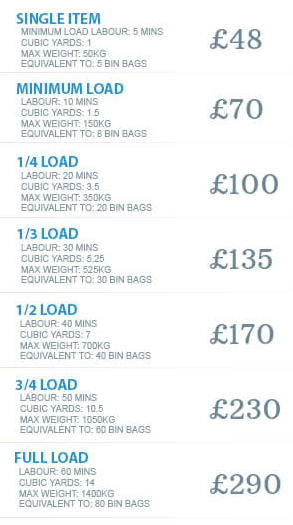
 Tipper Van - Rubbish Removal and Waste Disposal Prices in Canary Wharf E14
 Luton Van - Rubbish Removal and Waste Disposal Prices in Canary Wharf E14