Isle of Dogs estate rubbish removal tips for residents
Posted on 26/08/2026

If you live in an Isle of Dogs estate, rubbish has a way of becoming a bigger job than it first looks. One bag turns into three. A broken chair waits by the door. A hallway starts to feel narrower. And if you live in a block with shared bins, lifts, concierge rules, or tight access, the whole thing can become annoying very quickly.
That is exactly why Isle of Dogs estate rubbish removal tips for residents matter. The aim here is simple: help you clear waste safely, avoid common estate headaches, and choose the right disposal route for furniture, clutter, garden waste, renovation leftovers, and everyday household rubbish. You will also find a practical step-by-step process, a comparison table, a checklist, and a few realistic examples from day-to-day estate living. Nothing flashy. Just useful advice that makes the job easier.
Why Isle of Dogs estate rubbish removal tips for residents Matters
Estate living changes the rubbish game. You are rarely dealing with waste in isolation. There may be shared bin stores, limited parking, narrow entrances, timed access, lift protection rules, and neighbours who are, let's say, not thrilled by noisy late-night stairwell traffic. So yes, a tidy flat is one thing. Getting the waste out neatly is another.
On the Isle of Dogs, many residents balance busy work schedules, compact homes, and communal spaces that need to stay clear for everyone. If rubbish is left in the wrong place, it can attract pests, block access, or lead to complaints from management. Sometimes the issue is as simple as a sofa that will not fit through the lift without a plan. Other times it is a full clear-out after a move, a renovation, or a long-overdue declutter.
Good rubbish removal habits protect your own space too. They reduce fire risk from cluttered walkways, keep cleaning standards higher, and make it easier to live in a smaller home without that creeping sense of chaos. Truth be told, a clean estate feels calmer. You notice it the moment you walk in: fewer smells, less visual mess, better flow.
There is also the practical money angle. If you sort waste properly, choose the right disposal method, and avoid repeated trips or fines through poor handling, you often save time and hassle. That matters in London, where nobody really has spare hours to burn. Not many of us, anyway.
How Isle of Dogs estate rubbish removal tips for residents Works
Estate rubbish removal usually falls into one of three routes: you use the estate's own bin facilities, arrange a one-off collection for bulk waste, or book a specialist clearance service for larger items and mixed loads. The best route depends on volume, access, the type of waste, and whether anything needs careful handling.
For ordinary household rubbish, the first step is usually to separate what can go into the correct bins from what needs a special collection. Recyclables, general waste, bulky items, electricals, and green waste should not all be treated the same. That sounds obvious, but in practice people often bundle everything together because they are in a rush.
For bulky items, the main question is access. Can the item come down the lift safely? Does the estate allow collections in a certain time window? Is there a loading bay or designated pick-up point? If not, you may need a service that can remove items directly from the property without leaving a trail of hassle behind them.
If you are dealing with builders' waste, old fitted furniture, or a full home clear-out, a more structured service may be the sensible option. You can read more about related services through the services overview, which gives a clearer picture of how different clearance jobs tend to be handled.
Residents also tend to ask what happens after collection. In normal practice, waste is sorted for reuse, recycling, recovery, or disposal depending on the materials involved and the condition of the load. That is one reason clear labelling and separation at home can make a real difference.
Key Benefits and Practical Advantages
The biggest benefit is simple: you get your space back. But there is a bit more to it than that.
- Less stress: You stop stepping around bags, boxes, and old furniture.
- Better estate living: Shared areas stay clearer and more pleasant for everyone.
- Faster decision-making: You can tell at a glance what stays, what goes, and what needs special handling.
- Safer movement: Clear paths reduce trips, awkward lifts, and blockages in hallways or stairwells.
- Cleaner handover: Useful if you are moving out, selling, or preparing a flat for letting.
- More efficient recycling: Sorting waste properly improves the chance that suitable materials are recovered.
One practical advantage often overlooked is neighbour relations. Nobody wants to be the person who left a wardrobe in the lobby for two days. A well-planned removal keeps everything discreet and orderly. That alone can be worth a lot on a busy estate.
If you are weighing up how a property may appeal to future buyers or tenants, waste management also plays into presentation. A tidy, well-run building gives a better first impression. If that matters to you, the article on selling properties in Canary Wharf is a useful related read.
Who This Is For and When It Makes Sense
This guidance is relevant to a wide range of residents on the Isle of Dogs, but the most common situations are easy to recognise.
- People moving home: Ideal when you need to clear old furniture, packaging, and unwanted items fast.
- Flat owners doing a declutter: Helpful if storage space is limited and the flat is starting to feel crowded.
- Landlords and tenants: Useful when a tenancy ends and the property needs to be reset.
- Home improvers: Perfect for stripping out old cabinets, broken fittings, or renovation offcuts.
- Older residents downsizing: A structured plan makes a big emotional and physical difference here.
- Busy professionals: If your week is packed, a clean one-off clearance can save the month from descending into clutter.
It also makes sense after events. A post-party flat can look tidy enough at first glance, then the next morning says something very different. If that sounds familiar, the article on best places for parties in Canary Wharf might be useful for planning less cleanup-heavy celebrations in the future.
Sometimes the trigger is not a major life event. It is just the moment you open the airing cupboard, sigh, and admit the old kettle, broken fan, and mystery cable pile are not going to sort themselves out. We have all been there.
Step-by-Step Guidance
If you want the process to feel manageable, break it into small decisions. That is really the trick.
1. Walk through the flat with a clear goal
Start with one room at a time. Do not try to clear the whole home in a single emotional burst at 9pm. Pick a kitchen cupboard, a storage corner, or one bedroom and work through it properly.
2. Separate waste by type
Put items into broad groups: general rubbish, recycling, electricals, reusable goods, bulky items, and garden or green waste if relevant. This makes disposal easier and reduces the chance of mixing materials that need different handling.
3. Check access and estate rules
Before moving anything large, check whether the estate has lift protection, time windows, loading restrictions, or booking requirements for common areas. If a collection team needs to use the service lift, that can shape the schedule. A small detail, but a big one.
4. Measure large items before collection day
Wardrobes, mattresses, desks, and sofas can become a problem if they will not fit around a tight corner or through a communal door. A quick tape-measure check saves a lot of drama later.
5. Decide whether DIY or professional removal is better
If you are dealing with a few bags, DIY may be fine. If you have multiple bulky items, heavy lifting, or mixed waste, a professional clearance can be cleaner, safer, and faster. The question is not just "can I do it?" but "should I?"
6. Keep the loading route clear
On collection day, place items in one safe, agreed area only if the estate rules allow it. Do not scatter bits around the corridor. One tidy staging point is much better than three awkward piles and a forgotten lamp shade near the bin store.
7. Confirm what happens after removal
Ask how the waste will be handled. A responsible approach should aim to recycle and recover where possible. If you are interested in that side of the process, the page on recycling and sustainability is worth a look.
Expert Tips for Better Results
Here are the small habits that make a disproportionate difference.
- Keep one "decision box": Put items in it while you sort. It stops indecision from spreading across the room.
- Use labels on mixed loads: A simple marker like "recycling", "electrical", or "bulky waste" helps everyone stay organised.
- Plan around busy estate hours: Early evening collections can be awkward in shared spaces. Mid-morning is often calmer if you have flexibility.
- Protect surfaces and corners: A blanket or cardboard sheet can stop scratches on walls and floors.
- Keep hazardous items separate: Batteries, paints, solvents, and anything similar should never be mixed casually with normal waste.
- Do a final sweep before the crew arrives: It sounds small, but people often forget drawer contents or the back of cupboards.
One thing we see repeatedly is residents underestimating the amount of time clutter takes to clear once it is all gathered in one place. It grows, somehow. Almost offensively. So start earlier than you think you need to.
If you want a broader idea of how larger household clearances are approached, house clearance services in Canary Wharf are a relevant reference point for bigger jobs.

Common Mistakes to Avoid
These are the mistakes that cause most estate rubbish headaches, and they are all avoidable.
- Leaving waste in communal corridors: Even if it is "just for a bit", it can cause access problems and complaints.
- Not checking estate rules first: You may end up with a collection blocked by access restrictions.
- Overfilling bin stores: This creates overflow, odours, and a poor impression for the whole block.
- Mixing materials unnecessarily: It slows removal and can reduce what can be recovered.
- Forgetting about heavy lifting risks: Sofas and appliances can injure backs, hands, and feet. Honestly, they do not look as awkward until you are halfway down a staircase with them.
- Waiting until the last minute: That tends to turn a tidy job into a rushed one.
A subtle but common issue is assuming every item should go the same way. It should not. Some things are best reused, some are recyclable, some need specialist handling, and some simply need immediate removal because they are blocking space. The right route depends on the item, not the mood you are in at the time.
Tools, Resources and Recommendations
You do not need a van full of gear, but a few practical tools help:
- Gloves: Better grip, better hygiene, fewer little cuts.
- Strong bin bags: Useful for general waste and bagged soft items.
- Tape measure: Essential for bulky furniture and tight lift access.
- Marker pen and labels: Handy for sorting and staging items clearly.
- Protective blankets or old sheets: Good for corners, floors, and shared hallways.
- Phone camera: Useful if you need to record the condition of bulky items before moving them.
For residents comparing disposal methods, the practical question is usually cost versus convenience. Some people are happy to do multiple trips. Others would rather have everything handled in one go and get on with their day. If you are exploring that decision, pricing and quote information can help you think through the likely trade-off without guessing.
You may also find these service pages useful depending on the type of waste you are dealing with: furniture disposal, junk removal, and rubbish collection. They are good reference points when the job is more than a simple bin run.
Law, Compliance, Standards, and Best Practice
For estate residents, compliance is mostly about common sense, duty of care, and respecting how waste should be handled in the UK. You do not need to become a waste law expert. But you do need to avoid putting yourself or the estate at risk.
The main principles are straightforward: dispose of waste responsibly, do not block communal routes, do not leave items in shared areas unless the estate permits it, and separate anything that needs special treatment. If you are using a removal company, it is sensible to ask how they manage transport, handling, and disposal. That is just good practice.
Safety matters too. Heavy items should be lifted by more than one person when needed, sharp edges should be wrapped or covered, and electrical items should be checked before moving. If there is any doubt about a load, especially if it includes awkward or potentially hazardous material, pause and get clarity first.
For readers who want a more detailed look at safe working expectations, the page on insurance and safety is a useful companion resource. It is always better to be a bit cautious than to improvise and regret it later.
There is also a practical environmental side to compliance. Responsible waste handling should prioritise reuse and recycling where possible, then disposal as a final step. That approach is in line with the general direction most residents and providers now expect.
Options, Methods, or Comparison Table
Here is a simple comparison of common options for Isle of Dogs estate rubbish removal.
| Method | Best for | Pros | Cons |
|---|---|---|---|
| Estate bins | Everyday household rubbish | Convenient, familiar, low effort | Not suitable for bulky items or overflow |
| DIY trip to disposal point | Small-to-medium loads you can transport yourself | Flexible, can be inexpensive | Time-consuming, lifting and transport can be awkward |
| Professional rubbish removal | Bulky, mixed, or urgent waste | Fast, tidy, less physical effort | Usually costs more than doing it yourself |
| Skip hire | Longer projects or larger clear-outs | Useful for ongoing work, flexible loading | Needs space and may be less convenient on tight estates |
For many residents, the deciding factor is access. If a skip would be hard to position, or if you only need a one-time clearance, a direct collection often makes more sense. If you are doing a bigger project, such as refurbishment or a whole-flat clear-out, skip hire in Canary Wharf may be the better fit.
There is no single "best" option for everyone. The right choice is the one that suits the building, the waste type, and the amount of effort you want to spend. That sounds obvious, but it is easy to forget when you are staring at a pile of boxes at 7:15 in the morning.

Case Study or Real-World Example
Imagine a resident in an Isle of Dogs apartment who has lived in the same flat for several years. Over time, a spare chair becomes a storage rack, old boxes gather under the bed, and a broken TV sits in the corner waiting for "later". Then a move-out date appears on the calendar and suddenly later becomes today.
The resident starts by sorting the flat room by room. Reusable items are set aside. Old paperwork goes into secure disposal. A bedside table and sofa are measured to confirm they can fit through the lift. A collection window is checked with the estate manager so there is no surprise on the day. The result is simple but satisfying: fewer trips, no corridor clutter, and no last-minute panic.
That same resident could have handled some of it alone, of course. But the awkward items would still have needed lifting, and the timing would have been messy. By planning it properly, the job became smaller than it looked. That is usually how it goes.
If the flat had been part of a move, the resident might also have benefited from local property guidance, including a local residents guide and real estate tips for buyers if the property was being prepared for market. Waste clearance and property presentation tend to travel together more often than people expect.
Practical Checklist
- Walk through each room and identify what stays and what goes.
- Separate general waste, recycling, bulky items, and anything special.
- Measure large furniture before collection day.
- Check estate rules for access, timing, and communal areas.
- Set aside gloves, tape, labels, and strong bags.
- Make one staging area for items if permitted.
- Keep walkways, lifts, and doors clear.
- Remove hazardous or awkward items first.
- Confirm the collection time and any access instructions.
- Do a final sweep of cupboards, under beds, and storage corners.
- Ask how waste will be handled after removal.
- Arrange follow-up cleaning if the flat needs to be handed over.
Quick expert summary: for Isle of Dogs estate rubbish removal, the winning formula is usually simple sorting, good timing, careful access planning, and choosing the least disruptive removal method for the job. Small flat, big clutter, busy building? Plan first, move second.
If you are ready to take the next step, the most sensible move is usually to compare your options and arrange a service that fits the estate properly. You can start with contacting the team here if you want to talk through a specific clearance or ask about access issues before booking.
Get a free quote today and see how much you can save.
Conclusion
Good rubbish removal on an Isle of Dogs estate is not really about "getting rid of stuff" in the abstract. It is about making life easier in a place where access, shared spaces, and time pressure all matter. When you sort properly, plan ahead, and choose the right disposal route, the whole process becomes calmer and more predictable.
That is the real win. Not just a clearer flat, but a clearer head when you walk through the door and everything feels under control again. Small thing, maybe. But a good one.


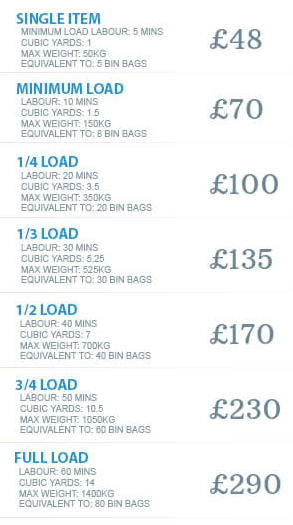
 Tipper Van - Rubbish Removal and Waste Disposal Prices in Canary Wharf E14
 Luton Van - Rubbish Removal and Waste Disposal Prices in Canary Wharf E14