One Canada Square office waste removal practical checklist
Posted on 09/08/2026
If you are planning waste removal for an office at One Canada Square, the job is rarely as simple as "book a van and clear it out." There are reception rules, loading access, lift timings, building management requirements, and the usual office reality: half-finished desk moves, cables everywhere, and one person saying, "I thought someone else handled that." This practical checklist is built to help you organise One Canada Square office waste removal without the chaos.
Whether you are handling a small refurbishment, a full floor clear-out, or regular commercial rubbish removal, the key is to plan the job in the right order. You will find step-by-step guidance, a realistic checklist, compliance notes, common mistakes, and sensible options for getting the work done cleanly and efficiently. If you need a broader view of available support, our services overview is a useful place to start.
Quick takeaway: the best office waste removal plan is the one that separates waste streams early, checks building access before collection day, and keeps staff, cleaners, and the removal team aligned. Simple in theory. Much less simple on a busy Canary Wharf morning.
Why One Canada Square office waste removal practical checklist Matters
One Canada Square sits in a part of London where timing, access, and presentation all matter. Offices in landmark buildings tend to operate on tighter schedules than people expect, and waste removal is usually one of those jobs that gets underestimated until the lift booking is missed or the corridor starts filling with dismantled furniture.
A practical checklist matters because office waste is not one single thing. You may have mixed office rubbish, confidential paper, IT equipment, redundant furniture, packaging from refurbishments, and sometimes odd items that nobody wants to claim ownership of. Without a clear plan, waste gets piled up, staff lose working space, and the clean-down drags on longer than it should.
There is also the simple reputational side. A well-managed collection looks organised and professional. A badly managed one looks like a rush job. In a building like One Canada Square, that difference is visible very quickly.
And let's face it, offices tend to generate waste in waves. One week it is just a few broken chairs. Next week it is a full departure pack-out and the photocopier that was "going to be reused" suddenly needs removing too. A checklist keeps that kind of drift under control.
How One Canada Square office waste removal practical checklist Works
The checklist approach works by turning a messy one-off task into a sequence of small, manageable decisions. Instead of starting with the removal vehicle, you begin with what needs clearing, where it is coming from, who is responsible, and how access will work on the day.
In practical terms, the process usually follows this pattern:
- Identify the waste types and volumes.
- Decide what stays, what is reused, and what must go.
- Check building rules, loading arrangements, and collection timing.
- Group the waste by category so it can be handled correctly.
- Arrange the collection method that suits the job.
- Make sure staff know where items should be left and when.
- Complete a final sweep so nothing is missed.
The bigger the office, the more important this sequence becomes. A ten-desk room can often be cleared in a few controlled passes. A floor move-out at peak business time needs proper coordination, especially if lifts, security desks, or shared corridors are involved.
If you are comparing clearance options, it may help to look at a specialist office clearance service in Canary Wharf rather than treating it like generic rubbish collection. The difference is often in the detail: how items are sorted, how the site is accessed, and how quickly the space is handed back.
Key Benefits and Practical Advantages
A proper office waste removal plan saves time, but that is only the obvious part. The deeper benefit is control. When everyone knows what is happening, waste stops being a background problem and becomes a managed task.
- Less downtime: your team is not tripping over old desks, boxes, or cable piles.
- Cleaner handover: useful if the space is being relet, refurbished, or returned to a landlord.
- Better sorting: recyclable items, reusable office furniture, and general waste can be separated properly.
- Fewer access issues: planning prevents lift bottlenecks and corridor congestion.
- Reduced stress: there is a clear owner for each stage of the job.
- Improved presentation: especially important in buildings where clients, contractors, or visitors are present.
There is also a subtle but important benefit: you make better decisions under pressure. Once the checklist is in place, it becomes easier to judge whether you need a same-day collection, a scheduled pickup, or a larger mixed-load clearance. If timing is tight, a local response such as same-day rubbish removal near Canary Wharf Station can sometimes be the difference between a smooth finish and an awkward late shift.
Who This Is For and When It Makes Sense
This checklist is for anyone responsible for an office waste removal job at One Canada Square or in the surrounding Canary Wharf office environment. That might be a facilities manager, office manager, landlord, project coordinator, or a business owner handling a relocation. Sometimes it is the person who inherited the job because everybody else was busy. That happens more often than people admit.
It makes sense when you are:
- moving out of an office or downsizing
- refreshing a workspace after a fit-out or refurbishment
- disposing of redundant desks, chairs, filing cabinets, or shelving
- clearing out archived paper records
- removing mixed business waste after a project
- replacing old equipment and packaging
- needing a tidy, safe handover before a lease deadline
It is also useful for smaller jobs. Even a light clear-out can become awkward if you do not know where items should be staged or whether the building requires pre-booked access. Office waste removal is one of those jobs where "small" can still become annoying very quickly.
If you are still weighing up whether a building in this part of London suits your working setup, our article on whether Canary Wharf is suitable for residents and daily life gives a good sense of the area's pace and practical rhythm.
Step-by-Step Guidance
Here is the practical way to handle office waste removal at One Canada Square without making it harder than necessary.
1. Start with a room-by-room audit
Walk the office and list what is going. Do not rely on memory. People always think they remember the storage cupboard contents, and then there is a surprise stack of monitor arms and a busted shredder in the corner.
Break the waste into broad groups: furniture, electrical items, paper, general rubbish, packaging, and anything confidential or sensitive.
2. Separate reusable items early
Some items can be redeployed, donated, or kept for another office location. That includes desks in decent condition, chairs with working castors, meeting tables, and shelving. If you leave everything in one heap, reusable items tend to get treated like waste by default.
3. Clear sensitive materials first
Paper records, hard drives, labels, and old printed material should be handled before the room becomes a demolition zone. Shredding, secure removal, and controlled disposal should be arranged early so nothing private gets left in open piles.
4. Confirm building access and timing
Check lift access, loading restrictions, reception sign-in rules, and any time windows that apply to collections. In tall commercial buildings, access can matter more than the actual waste volume. A perfectly sized job can still go sideways if the booking slot is wrong.
5. Decide how waste will be moved internally
Will items be taken to a single staging point? Will each department move its own material? Will a contractor collect directly from the office floor? Decide this before the crew arrives. It saves a lot of back-and-forth, which nobody enjoys at 8:30 on a weekday.
6. Match the collection method to the waste type
Mixed commercial rubbish, office furniture, electricals, and bulky items may all need different handling. If you have a large amount of general waste, a bulk collection might be sensible. If the load includes awkward furniture, a furniture disposal service may be the cleaner option. For routine office rubbish, a regular rubbish collection in Canary Wharf can keep the workload steady.
7. Do a final sweep before sign-off
Once the obvious waste is gone, check drawers, cupboard tops, printer areas, under tables, and store rooms. That final sweep catches the random leftovers: one cable, two broken monitors, and the inevitable coffee cups. Always the coffee cups.
Expert Tips for Better Results
The best office clearances are usually the ones where someone made a few smart decisions before the collection day. Not dramatic decisions. Just sensible ones.
- Label waste zones clearly. Even sticky notes on boxes can prevent confusion.
- Take photos before the job starts. Useful for planning and for checking nothing is left behind.
- Keep a separate area for confidential items. Don't mix them with general waste, even briefly.
- Book access buffers. Offices rarely run exactly on time. A small buffer helps.
- Use one coordinator. Too many decision-makers slow everything down.
- Plan around building traffic. Mid-morning corridors and lifts can be busy.
If you are handling a larger clearance, it is worth comparing whether a full office clearance or a more targeted waste pickup makes better sense. Sometimes a mixed approach is the answer. Truth be told, most office jobs are a bit mixed.
One small tip from real-world experience: keep a simple pen-and-paper tally of what leaves the office. It sounds old-fashioned, but it avoids those last-minute "where did that cabinet go?" moments.

Common Mistakes to Avoid
Office waste removal becomes messy when the planning is vague. The same mistakes come up again and again.
- Leaving sorting until the day of collection. This slows everything down and increases mistakes.
- Forgetting building rules. Access windows, security checks, and lift bookings matter.
- Mixing all waste streams together. That makes reuse, recycling, and safe disposal harder.
- Ignoring IT and confidential waste. These items need proper handling.
- Not measuring bulky items. A cabinet that looks "fine" in the office can be awkward in a lift.
- Assuming someone else has it covered. The classic office problem. Lovely in theory, risky in practice.
Another common issue is over-ordering waste capacity. That usually happens when no one has counted the actual load properly. On the other hand, under-ordering is worse because the job stalls halfway through and everyone has to wait around. Neither is ideal, obviously.
Tools, Resources and Recommendations
You do not need a huge toolkit for office waste removal, but a few practical items make the process much smoother.
- Labels or coloured tape: for waste categories and priority items.
- Box cutters and basic hand tools: useful for dismantling packaging and loose furniture parts.
- Heavy-duty sacks and boxes: for paper, small office clutter, and loose items.
- Marker pens and inventory sheets: to note what is being removed.
- Gloves and protective gear: especially where broken fittings or sharp edges are involved.
- Lift and access notes: a printed summary helps everyone on site.
For teams comparing disposal routes, it can help to look at broader support such as waste removal in Canary Wharf when the load is mixed, or junk removal where the office has accumulated awkward, miscellaneous items over time.
If the project is connected to building works or strip-out activity, you may also find builders waste clearance in Canary Wharf relevant, especially where there is rubble, packaging, timber, or light refurbishment debris rather than ordinary office rubbish.
Law, Compliance, Standards, or Best Practice
For office waste removal in London, the safest approach is to follow recognised UK waste-handling best practice and work with a provider that understands commercial disposal duties. You do not need to become a legal expert yourself, but you should avoid casual assumptions.
In practical terms, that means paying attention to:
- Waste segregation: separate general waste, recyclable material, electrical equipment, and confidential items where appropriate.
- Duty of care: make sure waste is handed to a legitimate and competent carrier.
- Safety on site: keep walkways clear, reduce lifting risks, and avoid overcrowding access points.
- Data protection awareness: dispose of paper records and storage devices carefully if they may contain personal or business data.
- Building procedures: respect landlord, security, and facilities instructions.
For many office teams, the main practical rule is simple: if you are unsure what a waste item is or how it should be handled, do not guess. Ask. That is especially true for electronics, batteries, sharp items, and anything that may contain confidential information. A cautious five-minute check can save a far more awkward cleanup later.
It is also smart to choose a provider that takes safety seriously. If that matters to your project, see the company's guidance on insurance and safety and its position on recycling and sustainability. Those pages help you judge whether the service fits a professional office environment.
Options, Methods, or Comparison Table
Different office waste jobs call for different methods. Here is a straightforward comparison to help you choose.
| Method | Best for | Advantages | Limitations |
|---|---|---|---|
| Planned office clearance | Full or partial office moves, floor clears, redundancy furniture | Efficient, organised, suitable for mixed loads | Needs early coordination and access planning |
| Targeted rubbish collection | Smaller volumes, routine office waste, quick tidy-ups | Fast, practical, less disruption | Not always ideal for bulky furniture |
| Furniture disposal | Desks, chairs, cabinets, meeting furniture | Good for large items and reuse potential | Requires item-by-item handling |
| Junk removal | Mixed miscellaneous waste and clutter | Flexible when the load is varied | Less structured if the office has sensitive items |
| Skip hire | Projects with ongoing waste generation | Useful for gradual loading over time | Space, permits, and access can be limiting |
If your office project is being phased over several days, skip hire in Canary Wharf may be practical. If you need everything gone in one organised visit, a dedicated clearance service is often easier. Different tools, different jobs. Simple enough.
Case Study or Real-World Example
Here is a realistic example from the kind of office job people often underestimate.
A mid-sized team in a Canary Wharf office needed to vacate a suite quickly after a lease change. The space still contained desks, filing cabinets, mixed stationery, old monitors, box files, and a few items that had somehow survived three office reorganisations. The team first tried to "sort it out as they went," which, to be fair, is the natural instinct. It did not go well.
After pausing and building a proper checklist, the job became manageable. They divided the room into zones, tagged reusable furniture, separated confidential paper, and booked a collection window around the building's access rules. The result was a cleaner handover and far less last-minute stress. Nothing dramatic. Just a calmer process and fewer surprises.
That is really the point. Good waste removal does not feel exciting. It feels uneventful. And that is exactly what you want.
Practical Checklist
Use this as your working checklist for One Canada Square office waste removal. Print it if you like. Old-school, but it works.
- Confirm the date, time, and access requirements for the collection.
- Identify all waste types: furniture, paper, IT, packaging, and general rubbish.
- Decide which items will be reused, donated, recycled, or removed.
- Set aside confidential records and storage media for secure handling.
- Measure or photograph bulky items that may affect loading or lift use.
- Book any required lift, loading bay, or security arrangements.
- Tell staff where to place items before collection.
- Label waste zones clearly so nothing gets mixed up.
- Keep a safe walkway through the office at all times.
- Check for batteries, sharp objects, and fragile items.
- Arrange the right disposal route for the waste volume and type.
- Do a final room sweep, including cupboards, desks, under tables, and storage areas.
- Confirm the office is left tidy and the removal is complete.
- Keep any paperwork or notes needed for internal records.
Practical summary: if you sort early, schedule access carefully, and separate the waste properly, the whole process becomes much easier. That is the difference between an office clear-out that runs quietly and one that turns into a half-day scramble.
For a tailored option that fits your building, volume, and timing, speak with the team through the contact page when you are ready.
Get a free quote today and see how much you can save.
Conclusion
One Canada Square office waste removal works best when it is treated like a planned operational task, not a last-minute tidy-up. The right checklist helps you protect access, keep staff safe, sort waste properly, and finish with a space that is genuinely ready for whatever comes next.
That is especially useful in a busy Canary Wharf setting, where time, building rules, and professionalism all matter. A little structure goes a long way. A bit of patience too, if we are honest.
And once the rubbish is gone, the room feels different. Quieter. Clearer. Ready again. That is usually the nicest part.



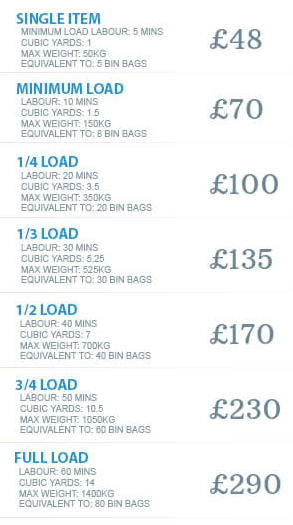
 Tipper Van - Rubbish Removal and Waste Disposal Prices in Canary Wharf E14
 Luton Van - Rubbish Removal and Waste Disposal Prices in Canary Wharf E14